The Murder of Adrianna Hutto: How a 7-Year-Old Girl's Death Led to Her Mother's Life Sentence
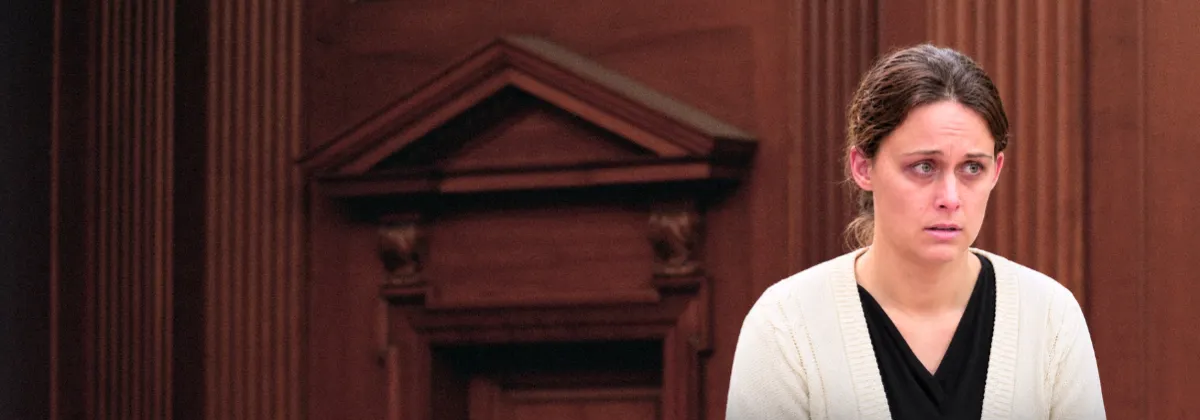
On 8 August 2007, seven-year-old Adrianna Elaine Hutto died after being found unconscious in her family's swimming pool in Esto, Florida, United States. What initially appeared to be an accidental drowning became a murder investigation that resulted in her mother, Amanda E. Lewis, being convicted of first-degree murder and aggravated child abuse.
One of the most important witnesses was Adrianna's six-year-old half-brother, A.J. Hutto. His statements to investigators became central to the prosecution's case and played a significant role in his mother's conviction.
What Happened on 8 August 2007?
Adrianna lived with her mother, Amanda Lewis, and her younger half-brother, A.J., in Esto, Florida.
On the afternoon of 8 August, Amanda contacted emergency services after finding Adrianna unresponsive in the family's above-ground swimming pool.
During the 911 call, Lewis told the dispatcher that her daughter had fallen into the pool and was not breathing. She pulled Adrianna from the water and attempted CPR before emergency personnel arrived.
Adrianna was transported to Bay Medical, where medical staff attempted to save her. However, she was pronounced dead at 5:05 p.m.
Initially, authorities treated the incident as an accidental drowning. That changed after investigators questioned A.J.
The Six-Year-Old Witness Who Changed the Investigation
During questioning, A.J. told investigators that his mother had deliberately held Adrianna underwater as punishment after becoming angry with her.
His account raised serious questions about whether Adrianna's death was accidental.
Investigators also examined the family's living conditions. Amanda reportedly told authorities that she had taken away the children's toys as punishment and stored them in a shed. However, investigators did not find the toys there.
The investigation also considered Adrianna's ADHD diagnosis and Amanda's relationship with her daughter.
Amanda reportedly passed a lie detector test and maintained that she had not killed Adrianna. Nevertheless, investigators continued examining A.J.'s statements and the other evidence.
Amanda Lewis Arrested and Charged
In September 2007, approximately one month after Adrianna's death, Amanda Lewis was arrested and charged with first-degree murder.
Prosecutors believed Adrianna had been deliberately held underwater rather than accidentally falling into the pool.
Before trial, Amanda was reportedly offered a plea agreement involving a guilty plea to manslaughter in exchange for a ten-year prison sentence. She rejected the offer and chose to fight the charges in court.
The Court Trial: February 2008
Amanda Lewis's trial began in February 2008 in Florida. The prosecution relied heavily on A.J.'s statements, witness accounts, medical evidence and details uncovered during the investigation.
The Prosecution's Arguments
Prosecutors presented A.J.'s account as central evidence. They argued that his description of the incident was consistent with injuries found on Adrianna's body.
The jury heard about multiple bruises on Adrianna's forehead, the family's living conditions, the missing toys and statements made by Amanda's co-workers.
Medical evidence from the autopsy was also presented.
The Defence Challenges the Evidence
Amanda's defence team questioned the reliability of A.J.'s statements, arguing that he was only six years old when the incident happened and that his account had changed during questioning.
The defence also challenged aspects of the medical evidence.
The medical examiner, Charles Siebert, had previously faced professional criticism and had been removed from duty in connection with other cases. His professional history became relevant to arguments about the reliability of the autopsy evidence.
Despite these challenges, prosecutors maintained that the evidence supported their case.
An Unusual Development During Jury Proceedings
During the second day of proceedings, two of the six selected jurors failed to return to the courtroom. Substitute jurors were subsequently selected.
This development later became significant when questions were raised about the removal and replacement of jurors during the trial.
Amanda Lewis Found Guilty
After four days of proceedings, the jury began deliberations. It reportedly took approximately two hours, including a lunch break, to reach a verdict.
Amanda Lewis was found guilty of:
-
First-degree murder.
-
Aggravated child abuse.
In March 2008, she was sentenced to life imprisonment without the possibility of parole.
The verdict concluded the original criminal trial, but further legal challenges would follow.
Amanda Lewis's Appeal in 2010
In 2010, Lewis challenged her conviction through an appeal.
One of her legal arguments involved the merger doctrine. She argued that aggravated child abuse could not separately support the felony-murder conviction if the same act of abuse caused Adrianna's death.
However, the appeal was unsuccessful, and her conviction was affirmed. Lewis remained sentenced to life imprisonment without the possibility of parole.
New Legal Questions in 2025
Years later, the case attracted renewed attention through the investigative podcast Undisclosed, which released an 11-episode series examining Adrianna's death and Amanda Lewis's investigation and trial.
On 7 November 2025, Lewis filed a Motion for Post-Conviction Relief under Florida Rule of Criminal Procedure 3.850.
The motion raised four constitutional allegations concerning the original jury proceedings:
-
Removal of a juror: The motion questioned why a presiding juror was removed despite reportedly being qualified to serve.
-
Lewis's absence: It alleged that the juror was removed outside Lewis's presence and without her knowledge or approval.
-
Replacement juror's age: It alleged that the replacement juror was only 17 years old and legally ineligible to serve.
-
Potential juror bias: It alleged that the replacement juror had failed to disclose overhearing the lead police officer making prejudicial comments about Amanda Lewis.
These were allegations raised in the post-conviction proceedings, not established findings that the original conviction was invalid.
February 2026: Court Orders the State to Respond
On 5 February 2026, EvidenceProf Blog reported that the circuit court had ordered the State to respond to all four allegations raised in Lewis's post-conviction motion.
This was an important development because the prosecution was required to address the constitutional issues raised in the application.
However, the order did not overturn Amanda's conviction, grant her a new trial or establish her innocence. It was a procedural step in the ongoing legal proceedings.
Where Does the Adrianna Hutto Case Stand Today?
Amanda Lewis was convicted in 2008, and her initial appeal was unsuccessful in 2010. Her later post-conviction motion introduced new questions about the original jury proceedings.
The February 2026 order requiring the State to respond marked another stage in the case. However, an order for a response is not a final decision on the allegations.
The case continues to raise important questions about child witnesses, the handling of evidence and constitutional protections during criminal trials.
For Adrianna, the events of 8 August 2007 ended a young life. For the American justice system, the case remains an example of how a criminal conviction can face legal scrutiny long after the original trial has concluded.

Prefer to watch it?
The full video for this story is on our YouTube channel.
Open on YouTube